Many custom options...


And formats...



Not what you want?
Try other similar-meaning words, fewer words, or just one word.
No God in Chinese / Japanese...
Buy a No God calligraphy wall scroll here!
Personalize your custom “No God” project by clicking the button next to your favorite “No God” title below...
Kawa no Kami / River God
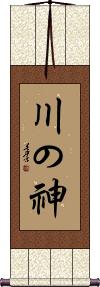
川の神 is the title of Kawa no Kami - a River deity of Japanese folklore.
There is no god but Allah, and Muhammad is His Messenger
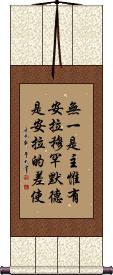
無一是主惟有安拉穆罕默德是安拉的差使 is one of the key creeds of Islam.
While perhaps more often seen in Arabic as
there are many native Chinese Muslims (especially the Hui ethnicity) that do not speak Arabic.
Instead, they use this Chinese phrase to express this idea or statement of faith.
God Son / God Child
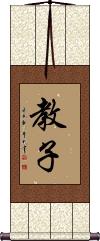
教子 is the title for a child which you have a sworn duty to raise should the child's parents die.
This title suggests it's talking about a son (male child), but this title is universal and can mean God Child (with no gender specified).
Divine Protection
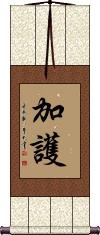
加護 is Japanese for “divine protection” or “the saving grace of God.”
Please consider this blessing to be Japanese only. This can have the same meaning in the context of Buddhism in Chinese, but it's also a nickname for “intensive care” at Chinese hospitals.
Note: My Japanese translator says this is not commonly used in Japanese. I added this because a customer asked for it. There is no better Japanese phrase to express this idea - so this is it if you want it.
John 3:16

神愛世人甚至將他的獨生子賜給他們叫一切信他的不至滅亡反得永生 is the full translation of John 3:16 into Chinese.
This is from the Chinese Union Bible which comes from a revised version of the King James. This Chinese Bible was originally translated and printed in 1919 (several revisions since then).
Because of the origin being the KJV, I'll say that in English, this would be, “For God so loved the world, that he gave his only begotten Son, that whosoever believeth in him should not perish but have everlasting life.”
As with any translation, there are interesting cultural and linguistic issues. For instance, the word used for “world” in Chinese can also mean “common people.” So you could say that it means “For God so loved the common people...”
This does not take away from the text, as it will be understood with the same meaning and connotation.
There is no direct Greek-to-Chinese translation in print (that I know of), so this is the best available. Of course, you can ask any Greek person of faith, and they will claim that a bit is lost from the original Greek of the New Testament to any of the English versions of the Bible in print.
Karate-Do
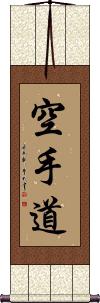
The literal meaning of 空手道 is “empty hand method” or “empty hand way.”
It is acknowledged that karate originated in China but migrated to Japan, where it was refined and became widely popular.
Karate is a martial art that uses no blades or weapons other than the “natural weapons” God gave to humans (fists and feet). The last character somehow became optional, but the meaning of that character is “method” or “the way” as in Taoism / Daoism.
Karate-Do reached Korea, where it is known as 공수도 which can be romanized as “Kong Soo Do” or “Gong Su Do.”
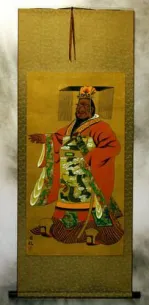
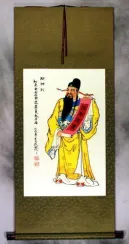
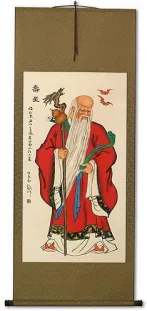
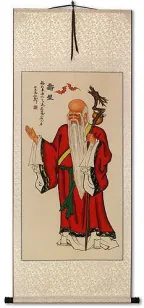
This in-stock artwork might be what you are looking for, and ships right away...
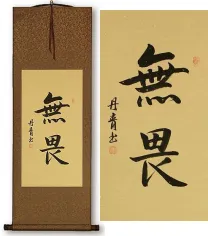
Gallery Price: $108.00
Your Price: $59.88
Gallery Price: $108.00
Your Price: $59.88
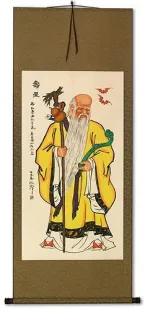
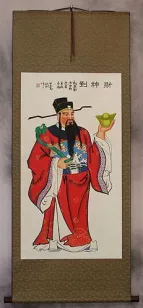
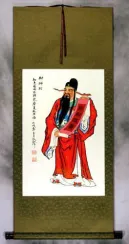
Gallery Price: $108.00
Your Price: $59.88
Not the results for No God that you were looking for?
Below are some entries from our dictionary that may match your No God search...
| Characters If shown, 2nd row is Simp. Chinese |
Pronunciation Romanization |
Simple Dictionary Definition |
お前 see styles |
omee おめえ omae おまえ omai おまい |
(pn,adj-no) (1) (familiar language) (masculine speech) you (formerly honorific, now sometimes derog. term referring to an equal or inferior); (2) presence (of a god, nobleman, etc.); (pn,adj-no) (familiar language) (masculine speech) you (formerly honorific, now sometimes derog. term referring to an equal or inferior) |
天神 see styles |
tiān shén tian1 shen2 t`ien shen tien shen tenjin てんじん |
god; deity (1) (also pronounced てんしん) heavenly god; heavenly gods; (2) spirit of Sugawara no Michizane; (3) (See 天満宮) Tenmangu shrine (dedicated to Michizane's spirit); (4) (colloquialism) (See 梅干し) pit of a dried plum; dried plum; (5) (abbreviation) (See 天神髷) tenjin hairstyle; (6) prostitute of the second-highest class (Edo period); (7) (See 転軫) tuning peg (on a biwa or shamisen); (place-name, surname) Tenjin deva 提婆 or devatā 泥縛多. (1) Brahma and the gods in general, including the inhabitants of the devalokas, all subject to metem-psychosis. (2) The fifteenth patriarch, a native of South India, or Ceylon and disciple of Nāgārjuna; he is also styled Devabodhisattva 提婆菩薩, Āryadeva 聖天, and Nilanetra 靑目 blue-eyed, or 分別明 clear discriminator. He was the author of nine works and a famous antagonist of Brahmanism. |
惟神 see styles |
kannagara かんながら kamunagara かむながら kaminagara かみながら |
(adv,adj-no) (1) as a god; (2) as was done in the age of the gods |
敬神 see styles |
jìng shén jing4 shen2 ching shen keishin / keshin けいしん |
to respect a deity; to pray to a God (noun - becomes adjective with の) piety; reverence |
稲荷 see styles |
touka / toka とうか |
(1) (See 稲魂) Inari (god of harvests, Uka-no-Mitama); (2) Inari shrine; Fushimi Inari shrine (in Kyoto); (3) (See 狐・1) fox (said to be messengers of Inari); (4) (See 油揚げ・1) fried tofu (said to be a favourite food of foxes); (5) (abbreviation) (kana only) (See いなり寿司) inarizushi; (place-name) Touka |
随神 see styles |
kannagara かんながら kamunagara かむながら kaminagara かみながら |
(adv,adj-no) (1) as a god; (2) as was done in the age of the gods |
三狐神 see styles |
miketsukami みけつかみ saguji さぐじ |
(1) any god of foodstuffs; (2) Uka-no-Mitama (god of rice) |
火の神 see styles |
hinokami ひのかみ |
god of fire (in Japanese mythology, usu. Kagutsuchi no Kami) |
ユピテル see styles |
yupiteru ユピテル |
(1) Jupiter (Roman god); (2) Jupiter (planet); (3) (abbreviation) Jupiter Symphony; Symphony No. 41 by Mozart; (dei) Jupiter; (wk) Jupiter Symphony (No. 41 by Mozart) |
不可抗力 see styles |
bù kě kàng lì bu4 ke3 kang4 li4 pu k`o k`ang li pu ko kang li fukakouryoku / fukakoryoku ふかこうりょく |
force majeure; act of God (noun - becomes adjective with の) (1) (yoji) act of God; irresistible force; inevitability; (noun - becomes adjective with の) (2) {law} force majeure; vis major |
国常立尊 see styles |
kuninotokotachinomikoto くにのとこたちのみこと |
Kuninotokotachi no Mikoto (eternal god of the land) |
天中之天 see styles |
tiān zhōng zhī tiān tian1 zhong1 zhi1 tian1 t`ien chung chih t`ien tien chung chih tien tenchū no ten |
god of gods |
御食津神 see styles |
miketsukami みけつかみ saguji さぐじ |
(1) any god of foodstuffs; (2) Uka-no-Mitama (god of rice) |
御饌津神 see styles |
miketsukami みけつかみ saguji さぐじ |
(1) any god of foodstuffs; (2) Uka-no-Mitama (god of rice) |
シュヒター see styles |
jupitaa / jupita ジュピター |
(1) {rommyth} (See ユピテル) Jupiter (god); (2) {astron} (See 木星) Jupiter (planet); (dei) Jupiter; (wk) Jupiter Symphony (No. 41 by Mozart) |
Variations: |
kannagara; kamunagara; kaminagara; ishin(惟神) かんながら; かむながら; かみながら; いしん(惟神) |
(adv,adj-no) (1) as a god; (adv,adj-no) (2) as was done in the age of the gods |
月夜見の尊 see styles |
tsukuyominomikoto つくよみのみこと |
{Shinto} Tsukuyomi no Mikoto (god of the Moon and brother of Amaterasu) |
猿田彦の命 see styles |
sarutahikonomikoto さるたひこのみこと |
(dei) Saruta Hiko no Mikoto (Shintō god); (dei) Saruta Hiko no Mikoto (Shintō god) |
神も仏もない see styles |
kamimohotokemonai かみもほとけもない |
(expression) (idiom) there is no God!; it's a cruel world; there is no god or Buddha |
どうなることやら see styles |
dounarukotoyara / donarukotoyara どうなることやら |
(expression) having no idea what will happen; God only knows; there is no knowing; you never can tell |
仏ほっとけ神構うな see styles |
hotokehottokekamikamauna ほとけほっとけかみかまうな |
(expression) (joc) don't bother the Buddha, give no heed to God |
Variations: |
jupitaa; yupiteru / jupita; yupiteru ジュピター; ユピテル |
(1) (See ゼウス) Jupiter (Roman god); (2) {astron} (See 木星・もくせい) Jupiter (planet); (3) (abbreviation) Jupiter Symphony; Symphony No. 41 by Mozart |
喉元過ぎれば熱さを忘れる see styles |
nodomotosugirebaatsusaowasureru / nodomotosugirebatsusaowasureru のどもとすぎればあつさをわすれる |
(exp,v1) (proverb) danger past and God forgotten; once on shore, we pray no more; once it's past the throat, one forgets the heat (of the swallowed object) |
Variations: |
miketsukami; saguji(三狐神) みけつかみ; さぐじ(三狐神) |
(1) (archaism) a god of food; (2) (archaism) (See 稲荷・1,稲魂) Inari (god of harvests); Uka-no-Mitama (god of food, esp. rice) |
Variations: |
miketsukami; saguji みけつかみ; さぐじ |
(1) any god of foodstuffs; (2) (See 稲魂) Uka-no-Mitama (god of rice) |
Variations: |
kurushiitokinokamidanomi / kurushitokinokamidanomi くるしいときのかみだのみ |
(expression) (proverb) danger past, God forgotten; once on shore, we pray no more; man turns to God only in times of trouble; there are no atheists in foxholes |
Variations: |
kamiomoosorenu かみをもおそれぬ |
(expression) showing no fear, even of God |
Variations: |
kamiomoosorenu かみをもおそれぬ |
(expression) showing no fear, even of God |
Variations: |
nodomotosugirebaatsusaowasureru / nodomotosugirebatsusaowasureru のどもとすぎればあつさをわすれる |
(exp,v1) (proverb) danger past and God forgotten; once on shore, we pray no more; once it's past the throat, one forgets the heat (of the swallowed object) |
The following table may be helpful for those studying Chinese or Japanese...
| Title | Characters | Romaji (Romanized Japanese) | Various forms of Romanized Chinese | |
| Kawa no Kami River God | 川の神 | kawa no kami kawanokami | ||
| There is no god but Allah, and Muhammad is His Messenger | 無一是主惟有安拉穆罕默德是安拉的差使 无一是主惟有安拉穆罕默德是安拉的差使 | wú yī shì zhǔ wéi yǒu ān lā mù hǎn mò dé shì ān lā de chāi shǐ wu2 yi1 shi4 zhu3 wei2 you3 an1 la1 mu4 han3 mo4 de2 shi4 an1 la1 de chai1 shi3 wu yi shi zhu wei you an la mu han mo de shi an la de chai shi | wu i shih chu wei yu an la mu han mo te shih an la te ch`ai shih wu i shih chu wei yu an la mu han mo te shih an la te chai shih |
|
| God Son God Child | 教子 | jiào zǐ / jiao4 zi3 / jiao zi / jiaozi | chiao tzu / chiaotzu | |
| Divine Protection | 加護 加护 | ka go / kago | jiā hù / jia1 hu4 / jia hu / jiahu | chia hu / chiahu |
| John 3:16 | 神愛世人甚至將他的獨生子賜給他們叫一切信他的不至滅亡反得永生 神爱世人甚至将他的独生子赐给他们叫一切信他的不至灭亡反得永生 | shén ài shì rén shèn zhì jiāng tā de dú shēng zǐ cì gè tā mén jiào yí qiè xìn tā de bú zhì miè wáng fǎn dé yǒng shēng shen2 ai4 shi4 ren2 shen4 zhi4 jiang1 ta1 de du2 sheng1 zi3 ci4 gei3 ta1 men2 jiao4 yi2 qie4 xin4 ta1 de bu2 zhi4 mie4 wang2 fan3 de2 yong3 sheng1 shen ai shi ren shen zhi jiang ta de du sheng zi ci gei ta men jiao yi qie xin ta de bu zhi mie wang fan de yong sheng | shen ai shih jen shen chih chiang t`a te tu sheng tzu tz`u kei t`a men chiao i ch`ieh hsin t`a te pu chih mieh wang fan te yung sheng shen ai shih jen shen chih chiang ta te tu sheng tzu tzu kei ta men chiao i chieh hsin ta te pu chih mieh wang fan te yung sheng |
|
| Karate-Do | 空手道 | kara te dou karatedou kara te do | kōng shǒu dào kong1 shou3 dao4 kong shou dao kongshoudao | k`ung shou tao kungshoutao kung shou tao |
| In some entries above you will see that characters have different versions above and below a line. In these cases, the characters above the line are Traditional Chinese, while the ones below are Simplified Chinese. | ||||

Successful Chinese Character and Japanese Kanji calligraphy searches within the last few hours...



