Many custom options...


And formats...



Not what you want?
Try other similar-meaning words, fewer words, or just one word.
Kanji North in Chinese / Japanese...
Buy a Kanji North calligraphy wall scroll here!
Personalize your custom “Kanji North” project by clicking the button next to your favorite “Kanji North” title below...
See also: Selections of just Japanese Kanji Calligraphy
2. North American Opossum / Possum
3. North Korea
5. Aruba
6. Cuba
7. Guam
8. Haiti
9. Lizz
11. Bahamas
12. Belize
13. Bermuda
14. Jamaica
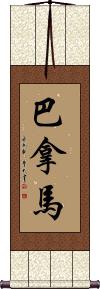
15. Panama
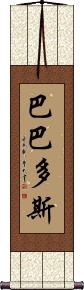
16. Barbados
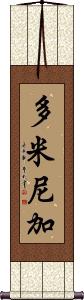
17. Dominica
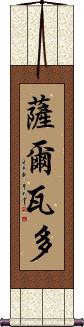
18. El Salvador
19. Grenada
20. Guatemala
21. Honduras
22. Nicaragua
23. Costa Rica
24. Guadeloupe
25. New Caledonia
28. South Korea
29. Cayman Islands
33. Mexico
34. Canada
35. Puerto Rico
36. Xuan Wu / Genbu / Black Tortoise God
37. Durham
39. Opossum / Possum
40. Respect out of fear is never genuine; Reverence out of respect is never false
43. Old, But More Vigorous in Spirit
45. Hapkido
North America
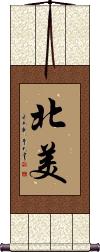
This is the Chinese name for the continent of North America.
North America
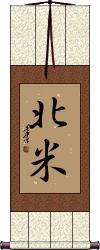
北米 is the Japanese title for North America.
North American Opossum / Possum
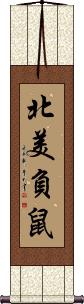
北美負鼠 is the full title for North American Opossum (aphesis spelling: Possum). The first two characters mean “North American” as an adjective. The third character means “carries” and refers to the marsupial pouch. The last character means “rat.” You could say the literal translation is “marsupial rat.”
Chinese opossums vary from the North American variety. If you were to use the last two characters alone, it may suggest the species native to China.
See Also: Year of the Rat
North Korea
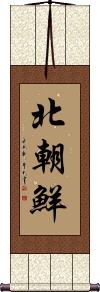
北朝鮮 is the Chinese and Japanese name for the country of North Korea.
The official English name being Democratic People's Republic of Korea.
See Also: South Korea | Asia
North Korea
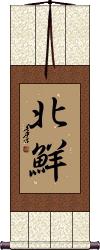
This short Japanese name for the country of North Korea (Democratic People's Republic of Korea).
There is a 3-character name, 北朝鮮 that is a lot more common.
See Also: South Korea | Asia
Trinidad and Tobago
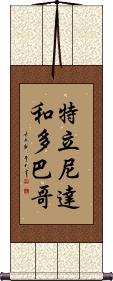
This is the Chinese name for the country of Trinidad and Tobago.
Definitions vary as to whether in North or South America.
See Also: North America | South America
Aruba
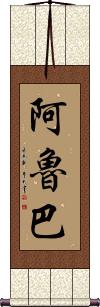
阿魯巴 is the Chinese name for the territory of Aruba (overseas country in the Kingdom of the Netherlands).
Note: Definitions vary as to whether Aruba is in North America or South America.
See Also: Netherlands | North America | South America
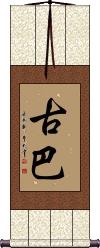
Cuba
Guam
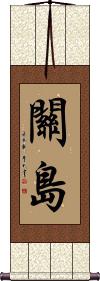
關島 is the Chinese name for the island of Guam (overseas territory of the United States).
See Also: North America
Haiti
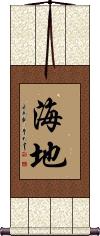
Lizz
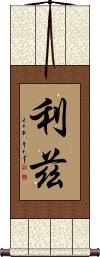
United States of America (USA)
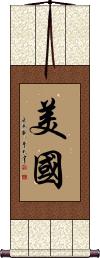
Bahamas
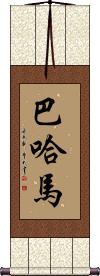
Belize
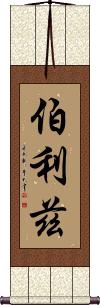
Bermuda
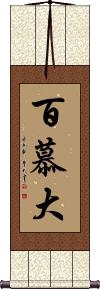
This is the Chinese name for Bermuda (overseas territory of the United Kingdom).
See Also: North America
Jamaica
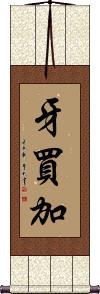
Panama
Barbados
Dominica
El Salvador
Grenada
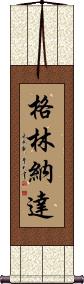
Guatemala
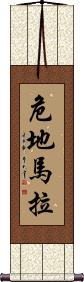
Honduras
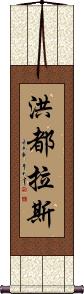
Nicaragua
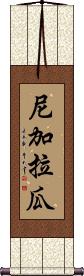
Costa Rica
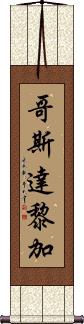
Guadeloupe
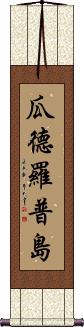
This is the Chinese name for Guadeloupe (overseas department of France).
gua1 de2 luo2 pu3 dao3
See Also: North America
New Caledonia
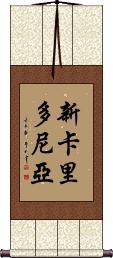
This is the Chinese name for the country of New Caledonia (overseas territory of France).
See Also: North America
Antigua and Barbuda
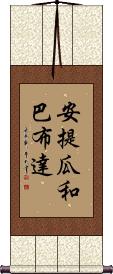
Dominican Republic
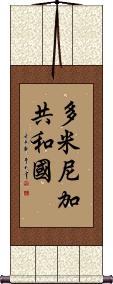
This is the Chinese name for the Dominican Republic.
See Also: North America
South Korea
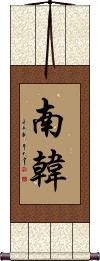
南韓 is the common Chinese name for the country of South Korea.
The official English name being Republic of Korea.
See Also: North Korea | Asia
Cayman Islands
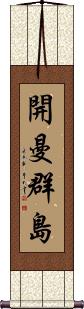
This is the Chinese name for the Cayman Islands (overseas territory of the United Kingdom and a great place to hide money).
See Also: North America | United Kingdom
Netherlands Antilles
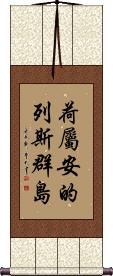
This is the Chinese name for the Netherlands Antilles (overseas country in the Kingdom of the Netherlands) .
See Also: Holland | Netherlands | North America
U.S. Virgin Islands
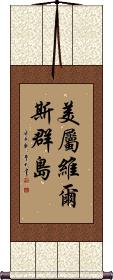
This is the Chinese name for the United States Virgin Islands (overseas territory of the United States).
See Also: North America | British Virgin Islands
British Virgin Islands
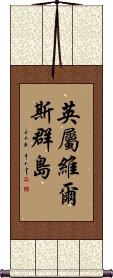
英屬維爾斯群島 is the Chinese name for the British Virgin Islands (overseas territory of the United Kingdom).
See Also: United States Virgin Islands | North America
Mexico
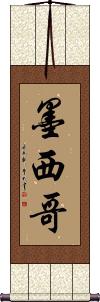
This is the Chinese name for the country of Mexico.
See Also: Spain | United States of America | Canada | North America
Canada
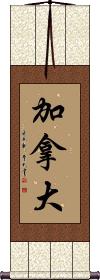
This is the Chinese name for the country of Canada.
See Also: United States of America | Mexico | North America
Puerto Rico
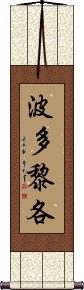
This is the Chinese name for Puerto Rico (overseas territory of the United States) .
See Also: United States of America | North America
Xuan Wu / Genbu / Black Tortoise God
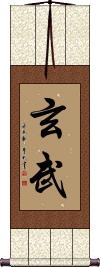
玄武 can refer to the Black Tortoise (an ancient Chinese constellation of stars- part of the seven mansions of the north sky).
In Daoism, this is the God of the North sky.
This also refers to a Black Tortoise god, said to rule over the northern heavens in Japanese. Can also be pronounced/romanized as genmu or when used as a personal name, Hirotake in Japanese.
Durham
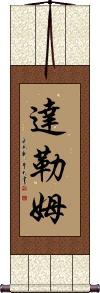
This is a common transliteration to Mandarin Chinese for the name Durham.
This is also the way Durham, North Carolina and Durham, England are referred to in Chinese.
Native American / Indian
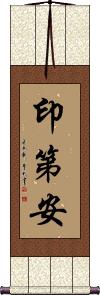
印第安 is the Chinese title for (American) Indian or Native American.
For disambiguation, this refers only to the indigenous people of North America.
印第安 is a transliteration, so it is meant to sound like the English word “Indian” using Chinese sounds.
This is not a common selection for a calligraphy wall scroll.
Opossum / Possum
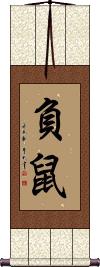
負鼠 is the name for Opossum (aphesis spelling: Possum) in Chinese.
The first character means “carries” and refers to the marsupial pouch. The second character means “rat.” You could say the literal translation is “marsupial rat.”
Chinese opossums vary from the North American variety. Using the two characters shown here may suggest the species native to China.
See Also: Year of the Rat
Respect out of fear is never genuine; Reverence out of respect is never false
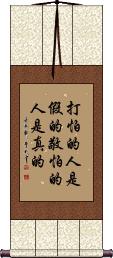
打怕的人是假的敬怕的人是真的 is a proverb that seems to be aimed at world leaders or others in power. Perhaps a suggestion to avoid the practice of “fear-mongering” opting instead for a policy of benevolence and justice.
An example: When the Bush administration told Pakistan they could either join America in the “war on terror,” or expect some bombs to be coming their way, Bush gained this kind of “less-than-genuine respect” from Pakistanis.
Leaders in places like North Korea and even Saudi Arabia reap the same bogus respect from their own citizens.
Note that calligraphers do not like to repeat the same characters in exactly the same way in the same piece of artwork. So expect the characters that are repeated to be written in different forms in the real artwork (unlike the way they are displayed to the left).
Northern Praying Mantis
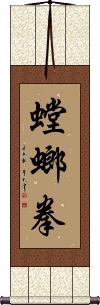
This can be translated literally as “Praying Mantis Fist.”
螳螂拳 is sometimes called Shandong Praying Mantis after its place of origin. It was created by Wang Lang and was named after the praying mantis, an insect, the aggressiveness of which inspired the style.
Shaolin records document that Wang Lang was one of the 18 masters gathered by the Shaolin Abbot Fu Ju, which dates him and Northern Praying Mantis style to the Song Dynasty (960-1279 A.D.).
The fact that the word “Northern” is used in the English title has more to do with where this style came from (Shandong is in northern China), but “north” is absent from this Chinese title.
Note: 螳螂拳 is also a title in Japanese - however, only a Japanese person who practices or is familiar with the “Praying Mantis Fist” style would recognize it.
Frightful Demon / Asura
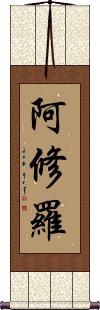
This demon title comes from the ancient Sanskrit word Asura.
阿修羅 is often used in Buddhism when describing various demons. Sometimes defined as “Fighting and battling a giant demon.”
In the context of Buddhism: This title originally meant a spirit, spirits, or even the gods (perhaps before 1700 years ago). It now generally indicates titanic demons, enemies of the gods, with whom, especially Indra, they wage constant war. They are defined as “not devas,” “ugly,” and “without wine.” There are four classes of asuras, separated according to their manner of rebirth. They can be egg-born, womb-born, transformation-born, and spawn- or water-born. Their abode is in the ocean, north of Sumeru but certain of the weaker dwell in a western mountain cave. They have realms, rulers, and palaces, as have the devas.
In terms of power, Asuras rank above humans but below most other deities. They live near the coastal foot of Mount Sumeru (on the northern side). Their domain is partially or wholly in the ocean.
Old, But More Vigorous in Spirit
Age is just a number
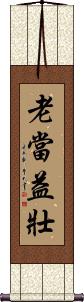
老當益壯 is a Chinese proverb that means “old but vigorous” or “hale and hearty despite the years.”
Said of someone who is more spirited when he/she grows older.
The story behind this Chinese proverb:
In the Eastern Han Dynasty, there was a man named Ma Yuan. He had been planning to herd animals on the frontier since he was young. When he grew up, Ma became a minor official of a county.
Once, he was sending some prisoners to another location. He felt pity for them, so he set them free, and then he fled to another county in the north. He herded animals there, and thus his dream came true. He always said: “If you want to be a great man, the poorer you are, the firmer in spirit you have to be; the older you are, the more spirited you should be.”
Later, when he was even older, Ma Yuan became a famous general of the Eastern Han Dynasty and contributed to many battles.
In Wine there is Truth
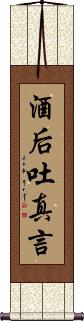
酒后吐真言 / 酒後吐真言 is a nice Asian proverb if you know a vintner or wine seller - or wine lover - although the actual meaning might not be exactly what you think or hope.
The literal meaning is that someone drinking wine is more likely to let the truth slip out. It can also be translated as “People speak their true feelings after drinking alcohol.”
It's long believed in many parts of Asia that one can not consciously hold up a facade of lies when getting drunk, and therefore the truth will come out with a few drinks.
I've had the experience where a Korean man would not trust me until I got drunk with him (I was trying to gain access to the black market in North Korea which is tough to do as an untrusted outsider) - so I think this idea is still well-practiced in many Asian countries.
 VS
VS 
Please note that there are two common ways to write the second character of this phrase. The way it's written will be left up to the mood of the calligrapher, unless you let us know that you have a certain preference.
Hapkido
Korean Martial Art of re-directing force
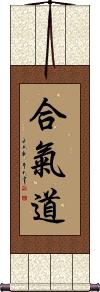
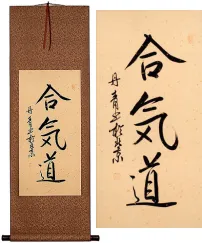
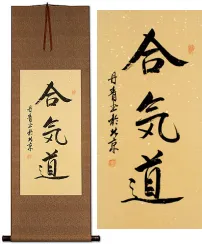
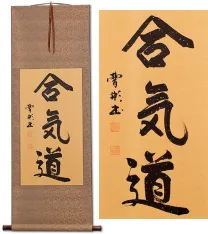
Hapkido or 合氣道 is a mostly-defensive martial art in Korea.
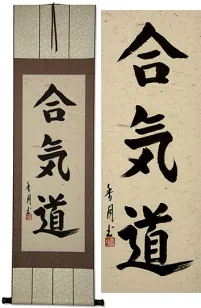
Hapkido has some connection to the Aikido of Japan. They are written with the same characters in both languages. However, it should be noted that the Korean Hanja characters shown here are the traditional Chinese form - but in modern Japan, the middle character was slightly simplified.
Note: You can consider this to be the older Japanese written form of Aikido. Titles on older books and signs about Aikido use this form.
The connection between Japanese Aikido and Korean Hapkido is muddled in history. The issue is probably due to the difficult relationship between the two countries around WWII. Many Koreans became virtual slaves to the Japanese during that period. After WWII, many things in Korea were disassociated from having any Japanese origin. The relationship has greatly mellowed out now.
Looking at the characters, the first means “union” or “harmony.”
The second character means “universal energy” or “spirit.”
The third means “way” or “method.”
One way to translate this into English is the “Harmonizing Energy Method.” This makes sense, as Hapkido has more to do with redirecting energy than fighting strength against strength.
More Hapkido info
More notes:
1. Sometimes Hapkido is Romanized as “hap ki do,” “hapki-do” “hab gi do” or “hapgido.”
2. Korean Hanja characters are actually Chinese characters that usually hold the same meaning in both languages. There was a time when these characters were the standard and only written form of Korean. The development of modern Korean Hangul characters is a somewhat recent event in the greater scope of history. There was a time when Chinese characters were the written form of many languages in places known in modern times as North Korea, South Korea, Japan, Vietnam, Singapore, Hong Kong, Taiwan, Mainland China, and a significant portion of Malaysia. Even today, more people in the world can read Chinese characters than English.
3. While these Korean Hanja characters can be pronounced in Chinese, this word is not well-known in China and is not considered part of the Chinese lexicon.
This in-stock artwork might be what you are looking for, and ships right away...



The following table may be helpful for those studying Chinese or Japanese...
| Title | Characters | Romaji (Romanized Japanese) | Various forms of Romanized Chinese | |
| North America | 北美 | běi měi / bei3 mei3 / bei mei / beimei | pei mei / peimei | |
| North America | 北米 | hokubei | ||
| North American Opossum Possum | 北美負鼠 北美负鼠 | běi měi fù shǔ bei3 mei3 fu4 shu3 bei mei fu shu beimeifushu | pei mei fu shu peimeifushu |
|
| North Korea | 北朝鮮 北朝鲜 | kita chousen kitachousen kita chosen | běi cháo xiǎn bei3 chao2 xian3 bei chao xian beichaoxian | pei ch`ao hsien peichaohsien pei chao hsien |
| North Korea | 北鮮 | hokusen / hokusen | ||
| Trinidad and Tobago | 特立尼達和多巴哥 特立尼达和多巴哥 | tè lì ní dá hé duō bā gē te4 li4 ni2 da2 he2 duo1 ba1 ge1 te li ni da he duo ba ge telinidaheduobage | t`e li ni ta ho to pa ko telinitahotopako te li ni ta ho to pa ko |
|
| Aruba | 阿魯巴 阿鲁巴 | ā lǔ bā a1 lu3 ba1- a lu ba- aluba- | a lu alu |
|
| Cuba | 古巴 | gǔ bā / gu3 ba1 / gu ba / guba | ku pa / kupa | |
| Guam | 關島 关岛 | guān dǎo / guan1 dao3 / guan dao / guandao | kuan tao / kuantao | |
| Haiti | 海地 | hǎi dì / hai3 di4 / hai di / haidi | hai ti / haiti | |
| Lizz | 利茲 利兹 | lì zī / li4 zi1 / li zi / lizi | li tzu / litzu | |
| United States of America (USA) | 美國 美国 | měi guó / mei3 guo2 / mei guo / meiguo | mei kuo / meikuo | |
| Bahamas | 巴哈馬 巴哈马 | bā hā mǎ ba1 ha1 ma3 ba ha ma bahama | pa ha ma pahama |
|
| Belize | 伯利茲 伯利兹 | bó lì zī bo2 li4 zi1 bo li zi bolizi | po li tzu politzu |
|
| Bermuda | 百慕大 | bǎi mù dà bai3 mu4 da4 bai mu da baimuda | pai mu ta paimuta |
|
| Jamaica | 牙買加 牙买加 | yá mǎi jiā ya2 mai3 jia1 ya mai jia yamaijia | ya mai chia yamaichia |
|
| Panama | 巴拿馬 巴拿马 | bā ná mǎ ba1 na2 ma3 ba na ma banama | pa na ma panama |
|
| Barbados | 巴巴多斯 | bā bā duō sī ba1 ba1 duo1 si1 ba ba duo si babaduosi | pa pa to ssu papatossu |
|
| Dominica | 多米尼加 | duō mǐ ní jiā duo1 mi3 ni2 jia1 duo mi ni jia duominijia | to mi ni chia tominichia |
|
| El Salvador | 薩爾瓦多 萨尔瓦多 | sà ěr wǎ duō sa4 er3 wa3 duo1 sa er wa duo saerwaduo | sa erh wa to saerhwato |
|
| Grenada | 格林納達 格林纳达 | gé lín nà dá ge2 lin2 na4 da2 ge lin na da gelinnada | ko lin na ta kolinnata |
|
| Guatemala | 危地馬拉 危地马拉 | wēi dì mǎ lā wei1 di4 ma3 la1 wei di ma la weidimala | wei ti ma la weitimala |
|
| Honduras | 洪都拉斯 | hóng dū lā sī hong2 du1 la1 si1 hong du la si hongdulasi | hung tu la ssu hungtulassu |
|
| Nicaragua | 尼加拉瓜 | ní jiā lā guā ni2 jia1 la1 gua1 ni jia la gua nijialagua | ni chia la kua nichialakua |
|
| Costa Rica | 哥斯達黎加 哥斯达黎加 | gē sī dá lí jiā ge1 si1 da2 li2 jia1 ge si da li jia gesidalijia | ko ssu ta li chia kossutalichia |
|
| Guadeloupe | 瓜德羅普島 瓜德罗普岛 | guā dé luō pǔ dǎo gua1 de2 luo1 pu3 dao3 gua de luo pu dao guadeluopudao | kua te lo p`u tao kuateloputao kua te lo pu tao |
|
| New Caledonia | 新卡里多尼亞 新卡里多尼亚 | xīn kǎ lǐ duō ní yà xin1 ka3 li3 duo1 ni2 ya4 xin ka li duo ni ya xinkaliduoniya | hsin k`a li to ni ya hsinkalitoniya hsin ka li to ni ya |
|
| Antigua and Barbuda | 安提瓜和巴布達 安提瓜和巴布达 | ān tí guā hé bā bù dá an1 ti2 gua1 he2 ba1 bu4 da2 an ti gua he ba bu da antiguahebabuda | an t`i kua ho pa pu ta antikuahopaputa an ti kua ho pa pu ta |
|
| Dominican Republic | 多米尼加共和國 多米尼加共和国 | duō mǐ ní jiā gòng hé guó duo1 mi3 ni2 jia1 gong4 he2 guo2 duo mi ni jia gong he guo duominijiagongheguo | to mi ni chia kung ho kuo tominichiakunghokuo |
|
| South Korea | 南韓 南韩 | nán hán / nan2 han2 / nan han / nanhan | ||
| Cayman Islands | 開曼群島 开曼群岛 | kāi màn qún dǎo kai1 man4 qun2 dao3 kai man qun dao kaimanqundao | k`ai man ch`ün tao kaimanchüntao kai man chün tao |
|
| Netherlands Antilles | 荷屬安的列斯群島 荷属安的列斯群岛 | hé shǔ ān dè liè sī qún dǎo he2 shu3 an1 de5 lie4 si1 qun2 dao3 he shu an de lie si qun dao heshuandeliesiqundao | ho shu an te lieh ssu ch`ün tao hoshuanteliehssuchüntao ho shu an te lieh ssu chün tao |
|
| U.S. Virgin Islands | 美屬維爾斯群島 美属维尔斯群岛 | měi shǔ wéi ěr sī qún dǎo mei3 shu3 wei2 er3 si1 qun2 dao3 mei shu wei er si qun dao meishuweiersiqundao | mei shu wei erh ssu ch`ün tao meishuweierhssuchüntao mei shu wei erh ssu chün tao |
|
| British Virgin Islands | 英屬維爾斯群島 英属维尔斯群岛 | yīng shǔ wéi ěr sī qún dǎo ying1 shu3 wei2 er3 si1 qun2 dao3 ying shu wei er si qun dao yingshuweiersiqundao | ying shu wei erh ssu ch`ün tao yingshuweierhssuchüntao ying shu wei erh ssu chün tao |
|
| Mexico | 墨西哥 | mò xī gē mo4 xi1 ge1 mo xi ge moxige | mo hsi ko mohsiko |
|
| Canada | 加拿大 | jiā ná dà jia1 na2 da4 jia na da jianada | chia na ta chianata |
|
| Puerto Rico | 波多黎各 | bō duō lí gè bo1 duo1 li2 ge4 bo duo li ge boduolige | po to li ko potoliko |
|
| Xuan Wu Genbu Black Tortoise God | 玄武 | genbu | xuán wǔ / xuan2 wu3 / xuan wu / xuanwu | hsüan wu / hsüanwu |
| Durham | 達勒姆 达勒姆 | dá lēi mǔ da2 le4 mu3 da le mu dalemu | ta le mu talemu |
|
| Native American Indian | 印第安 | yìn dì ān yin4 di4 an1 yin di an yindian | yin ti an yintian |
|
| Opossum Possum | 負鼠 负鼠 | fù shǔ / fu4 shu3 / fu shu / fushu | ||
| Respect out of fear is never genuine; Reverence out of respect is never false | 打怕的人是假的敬怕的人是真的 | dǎ pà de rén shì jiǎ de jìng pà de rén shì zhēn de da3 pa4 de ren2 shi4 jia3 de jing4 pa4 de ren2 shi4 zhen1 de da pa de ren shi jia de jing pa de ren shi zhen de | ta p`a te jen shih chia te ching p`a te jen shih chen te ta pa te jen shih chia te ching pa te jen shih chen te |
|
| Northern Praying Mantis | 螳螂拳 | tou rou ken tourouken to ro ken | táng láng quán tang2 lang2 quan2 tang lang quan tanglangquan | t`ang lang ch`üan tanglangchüan tang lang chüan |
| Frightful Demon Asura | 阿修羅 阿修罗 | ashura | ē xiū luó e1 xiu1 luo2 e xiu luo exiuluo | o hsiu lo ohsiulo |
| Old, But More Vigorous in Spirit | 老當益壯 老当益壮 | lǎo dāng yì zhuàng lao3 dang1 yi4 zhuang4 lao dang yi zhuang laodangyizhuang | lao tang i chuang laotangichuang |
|
| In Wine there is Truth | 酒后吐真言 / 酒後吐真言 酒后吐真言 | jiǔ hòu tǔ zhēn yán jiu3 hou4 tu3 zhen1 yan2 jiu hou tu zhen yan jiuhoutuzhenyan | chiu hou t`u chen yen chiuhoutuchenyen chiu hou tu chen yen |
|
| Hapkido | 合氣道 合气道 | ai ki do / aikido | hé qì dào he2 qi4 dao4 he qi dao heqidao | ho ch`i tao hochitao ho chi tao |
| In some entries above you will see that characters have different versions above and below a line. In these cases, the characters above the line are Traditional Chinese, while the ones below are Simplified Chinese. | ||||

Successful Chinese Character and Japanese Kanji calligraphy searches within the last few hours...



