Many custom options...


And formats...



Ather in Chinese / Japanese...
Buy an Ather calligraphy wall scroll here!
Personalize your custom “Ather” project by clicking the button next to your favorite “Ather” title below...
Switched to secondary search mode due to lack of results using primary.
These secondary results may not be very accurate. Try a different but similar meaning word or phrase for better results. Or...
Look up Ather in my Japanese Kanji & Chinese Character Dictionary(My dictionary is a different system then the calligraphy search you just tried)
If you want a special phrase, word, title, name, or proverb, feel free to contact me, and I will translate your custom calligraphy idea for you.
1. Atherton
2. Better to Choose Nothing, Rather than Make a Poor Choice
3. Catherina
4. Catherine
10. Featherstone
11. Grandfather
13. Dear Grandfather
15. Dear Grandfather
17. Dear Grandfather
19. Dear Grandfather
20. Heather
21. Intelligence / Information-Gathering
22. Katherin
23. Katherine
24. Katheryn
25. Katheryne
26. Arata / Leather
27. Leatherman
28. Leathers
29. Leatherwood
30. Loving Father
31. Fatherly Master / Sifu / Shi Fu / Shifu
32. Mather
33. Matherne
34. Mathers
35. Merriweather
36. No one knows a son better than the father
37. Prather
39. Sather
40. When Three People Gather, One Becomes a Teacher
41. When Three People Gather, Wisdom is Multiplied
42. Regardless of the Weather, We Overcome Troubles Together
43. Weatherford
44. Weatherly
45. Weathers
46. Weathersby
47. Weatherspoon
Atherton

阿瑟頓 is the name Atherton in Chinese (Mandarin).
Atherton

アサートン is the name Atherton in Japanese Katakana.
Note: Because this title is entirely Japanese Katakana, it should be written by a Japanese calligrapher.
Better to Choose Nothing, Rather than Make a Poor Choice
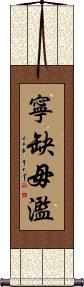
寧缺毋濫 is a Chinese proverb that can be translated as “Better to have nothing (than substandard choice).”
It basically suggests that one should prefer to go without something rather than accept a shoddy option.
See Also: A Deliberate Inaction is Better Than a Blind Action
Catherina
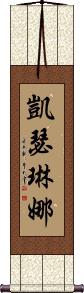
凱瑟琳娜 is the name Catherina in Chinese (Mandarin).
Catherina
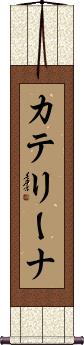
カテリーナ is the name Catherina in Japanese Katakana.
Note: Because this title is entirely Japanese Katakana, it should be written by a Japanese calligrapher.
Catherine
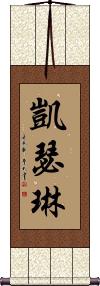
凱瑟琳 is the name Catherine in Chinese (Mandarin).
Catherine
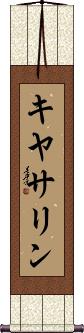
キヤサリン is the name Catherine in Japanese.
Note: Because this title is entirely Japanese Katakana, it should be written by a Japanese calligrapher.
Father and Daughter
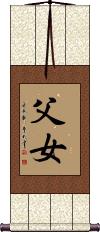
父女 is a title for “father and daughter” in Chinese.
Note: 父女 is an unusual word for a calligraphy wall scroll.
Father and Daughter
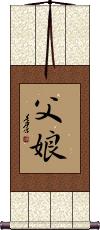
父娘 is a title for “father and daughter” in Japanese Kanji.
Father and Son
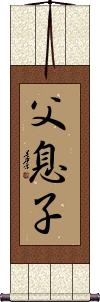
父息子 is “father and son” in Japanese.
Daddy / Father
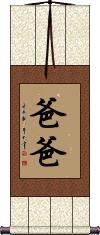
爸爸 is the colloquial way to say “Daddy” in Chinese.
Sometimes Chinese people will refer to their father with just one of these characters, “Ba,” which would be like “Dad.” With both characters, “Baba,” it's more like “Daddy.”
爸爸 is really a weird selection for a wall scroll, so consider this entry to be for educational purposes only (don't order this).
Father and Son
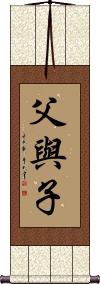
父與子 is the simple term for “Father and Son.”
However, we like some of our other tribute phrases to fathers better than this one.
A Father’s Love
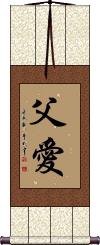
父愛 means “father's love” in Chinese.
A Father’s Love
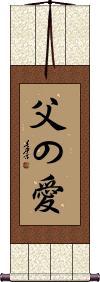
父の愛 means “father's love” in Japanese.
Featherstone

費瑟斯通 is the name Featherstone in Chinese (Mandarin).
Featherstone

フェザーストーン is the name Featherstone in Japanese Katakana.
Note: Because this title is entirely Japanese Katakana, it should be written by a Japanese calligrapher.
Grandfather
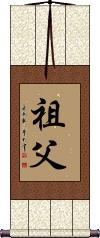
祖父 is a title for grandfather in Japanese.
In Chinese, this is specifically paternal grandfather.
This title alone is not normal for a calligraphy wall scroll.
Loving Grandfather
Maternal (Northern China)
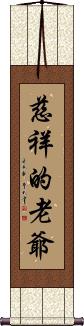
慈祥的老爺 is what you would call your maternal grandfather (mother's father) in Northern China with the adjective/title “Dear” on the front.
Dear Grandfather
Maternal (Northern China)
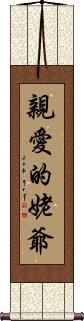
親愛的姥爺 is what you would call your maternal grandfather (mother's father) in Northern China with the adjective/title “Dear” on the front.
Loving Grandfather
Maternal (Southern China)
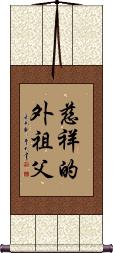
慈祥的外祖父 is “Loving Grandfather” in the formal way that people in Southern China usually call their mother's father (maternal grandfather).
Loving Grandfather
Maternal (Southern China - Informal)
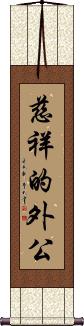
慈祥的外公 is “Loving Grandfather” using an informal way to call your maternal grandfather (mother's father) in Southern China.
Dear Grandfather
Maternal (Southern China)
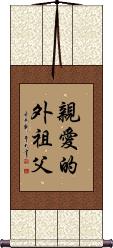
親愛的外祖父 is the formal way that people in Southern China usually call their mother's father (maternal grandfather) with the adjective/title “Dear” on the front.
Dear Grandfather
Maternal (Southern China - Informal)
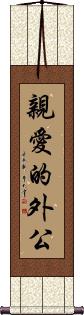
親愛的外公 is an informal way to call your maternal grandfather (mother's father) in Southern China with the adjective/title “Dear” on the front.
Loving Grandfather
Paternal (Northern China)
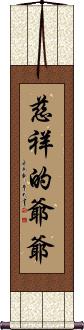
慈祥的爺爺 is “Loving Grandfather” using the most common way for people in Northern China to refer to their father's father (paternal grandfather).
Dear Grandfather
Paternal (Northern China)
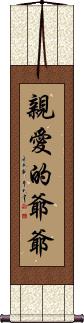
親愛的爺爺 is the most common way for people in Northern China to refer to their father's father (paternal grandfather) with the adjective/title “Dear” on the front.
Loving Grandfather
Paternal (Southern China)
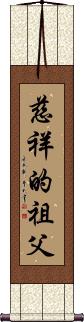
慈祥的祖父 is “Loving Grandfather” in the way people in Southern China call their father's father (paternal grandfather).
Dear Grandfather
Paternal (Southern China)
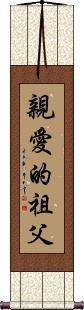
親愛的祖父 is how people in Southern China call their father's father (paternal grandfather) with the adjective/title “Dear” on the front.
Heather
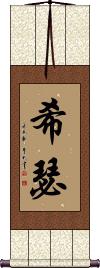
希瑟 is the name Heather in Chinese (Mandarin).
Heather
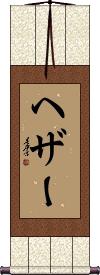
ヘザー is the name Heather in Japanese.
Note: Because this title is entirely Japanese Katakana, it should be written by a Japanese calligrapher.
Intelligence / Information-Gathering
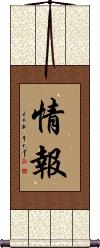
If you are a government spy, engaged in business espionage, or in some military intelligence department, 情報 is both the title of what you are doing and what you are collecting about your enemy.
It is suggestive by itself of military intelligence but applies to corporate intelligence if you are keeping an eye on your competition in business.
Katherin
This is a common Mandarin Chinese transliteration for the female name Katherin.
Katherin
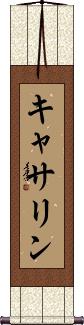
キャサリン is the name Katherin in Japanese (Katakana).
Note: Because this title is entirely Japanese Katakana, it should be written by a Japanese calligrapher.
Katherine
凱瑟琳 is the name Katherine in Chinese (Mandarin).
Katherine
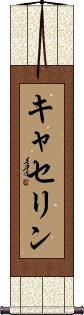
キャセリン is the name Katherine in Japanese.
Note: Because this title is entirely Japanese Katakana, it should be written by a Japanese calligrapher.
Katheryn
凱瑟琳 is the name Katheryn in Chinese (Mandarin).
Katheryn
キャサリン is the name Katheryn in Japanese Katakana.
Note: Because this title is entirely Japanese Katakana, it should be written by a Japanese calligrapher.
Katheryne
凱瑟琳 is the name Katheryne in Chinese (Mandarin).
Katheryne
キャサリン is the name Katheryne in Japanese (Katakana).
Note: Because this title is entirely Japanese Katakana, it should be written by a Japanese calligrapher.
Arata / Leather
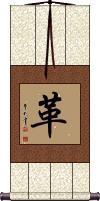
革 is the Chinese, Japanese Kanji, and old Korean Hanja for animal hide, leather, tanned animal hide, skins, hides, or pelts.
This can also mean to reform, remove, strip, expel (from an office), or to cut off.
革 is also a Japanese given name Arata and can refer to the anime character of the same name.
Leatherman

萊瑟曼 is the name Leatherman in Chinese (Mandarin).
Leatherman

レザーマン is the name Leatherman in Japanese Katakana.
Note: Because this title is entirely Japanese Katakana, it should be written by a Japanese calligrapher.
Leathers

萊瑟斯 is the name Leathers in Chinese (Mandarin).
Leathers

レザーズ is the name Leathers in Japanese Katakana.
Note: Because this title is entirely Japanese Katakana, it should be written by a Japanese calligrapher.
Leatherwood

萊瑟伍德 is the name Leatherwood in Chinese (Mandarin).
Leatherwood

レザーウッド is the name Leatherwood in Japanese Katakana.
Note: Because this title is entirely Japanese Katakana, it should be written by a Japanese calligrapher.
Loving Father
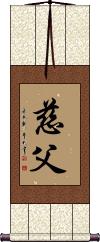
慈父 is the title of a loving father, affectionate father, or merciful father.
A great gift for your dad.
Fatherly Master / Sifu / Shi Fu / Shifu
Martial Arts Teacher
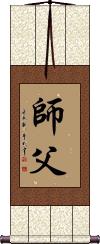
師父 means master in Chinese (occasionally used in Korean Hanja and Japanese). In the context of Martial Arts, this is the master and teacher who instructs students.
The second character by itself means father. Thus, you get the “Fatherly Master” translation. There's an old Chinese saying that goes something like, “One who is your teacher for one day is your father for life.”
Language notes: I've often seen this romanized as “sifu,” this is actually the Cantonese romanization. In Mandarin Chinese, it's “Shifu.” The pronunciation in Mandarin is actually like “sure foo” (using typical English pronunciation). There's an “R-sound” in there, which is not obvious from the romanization. Many martial arts studios incorrectly pronounce this like “she foo” (which is actually the Japanese pronunciation). In Cantonese, it sounds like “Sea foo” (almost like “seafood,” minus the “d” at the end).
師父 is kind of a weird selection for a calligraphy wall scroll; this entry is more for educational purposes. But you are welcome to buy it if it suits your circumstances.
Mather

馬瑟 is the name Mather in Chinese (Mandarin).
Mather

マザー is the name Mather in Japanese Katakana.
Note: Because this title is entirely Japanese Katakana, it should be written by a Japanese calligrapher.
Matherne

馬瑟恩 is the name Matherne in Chinese (Mandarin).
Matherne

マザーン is the name Matherne in Japanese Katakana.
Note: Because this title is entirely Japanese Katakana, it should be written by a Japanese calligrapher.
Mathers

馬瑟斯 is the name Mathers in Chinese (Mandarin).
Mathers

マザーズ is the name Mathers in Japanese Katakana.
Note: Because this title is entirely Japanese Katakana, it should be written by a Japanese calligrapher.
Merriweather

梅里韋瑟 is the name Merriweather in Chinese (Mandarin).
Merriweather

メリウェザー is the name Merriweather in Japanese Katakana.
Note: Because this title is entirely Japanese Katakana, it should be written by a Japanese calligrapher.
No one knows a son better than the father
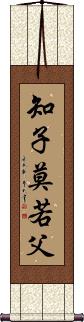
知子莫若父 can be translated as “No one knows a son better than his father.”
This idiom is based on the idea that after spending many years together, family members know everything about each other. Better than anyone else, a father knows the qualities and shortcomings of his son.
If you are looking for something about “father and son,” this is probably the best selection.
While this is the original proverb (very old), others have been composed about various combinations of mothers, sons, daughters, and fathers. Let me know if you need a custom version.
Prather

普拉瑟 is the name Prather in Chinese (Mandarin).
Prather

プラザー is the name Prather in Japanese Katakana.
Note: Because this title is entirely Japanese Katakana, it should be written by a Japanese calligrapher.
I’d Rather Be With You
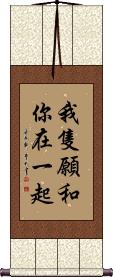
我隻願和你在一起 is a Chinese phrase that is the rough equivalent of, “You are the one I want to be with,” or “I only wish to be with you.”
Sather

薩瑟 is the name Sather in Chinese (Mandarin).
Sather

サザー is the name Sather in Japanese Katakana.
Note: Because this title is entirely Japanese Katakana, it should be written by a Japanese calligrapher.
When Three People Gather, One Becomes a Teacher
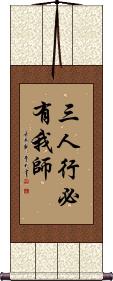
三人行必有我师 means “when three people meet, one becomes the teacher.”
This famous Chinese philosophy suggests that when people come together, they can always learn from each other.
One person must be the teacher and others learn. And in turn, the others become the teachers of the knowledge they possess.
It is important to remember that we all have something to teach, and we all have something to learn as well.
When Three People Gather, Wisdom is Multiplied
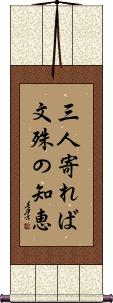
三人寄れば文殊の知恵 literally means “when three people meet, wisdom is exchanged.”
Some will suggest this means when three people come together, their wisdom is multiplied.
That wisdom part can also be translated as wit, sagacity, intelligence, or Buddhist Prajna (insight leading to enlightenment).
In the middle of this proverb is “monju,” suggesting “transcendent wisdom.” This is where the multiplication of wisdom ideas comes from.
Note: This is very similar to the Chinese proverb, "When 3 people meet, one becomes a teacher."
Note: Because this selection contains some special Japanese Hiragana characters, it should be written by a Japanese calligrapher.
Regardless of the Weather, We Overcome Troubles Together
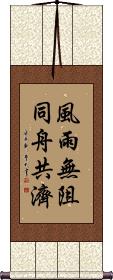
The first four characters are often translated as “Go ahead as planned regardless of the weather” or, “[Overcome] despite the rain and wind.” The last four characters can mean “Stick together” but literally means “Take the same boat [together].”
風雨無阻同舟共濟 is a Chinese proverb that suggests that you are willing (or should be willing) to overcome any adversity, and accomplish your task at hand. The second part (last four characters) is sometimes left off but this second part strongly suggests that you should overcome that adversity together.
Weatherford

韋瑟福德 is the name Weatherford in Chinese (Mandarin).
Weatherford

ウェザーフォード is the name Weatherford in Japanese Katakana.
Note: Because this title is entirely Japanese Katakana, it should be written by a Japanese calligrapher.
Weatherly

韋瑟利 is the name Weatherly in Chinese (Mandarin).
Weatherly

ウェザリー is the name Weatherly in Japanese Katakana.
Note: Because this title is entirely Japanese Katakana, it should be written by a Japanese calligrapher.
Weathers

韋瑟斯 is the name Weathers in Chinese (Mandarin).
Weathers

ウェザース is the name Weathers in Japanese Katakana.
Note: Because this title is entirely Japanese Katakana, it should be written by a Japanese calligrapher.
Weathersby

韋瑟斯比 is the name Weathersby in Chinese (Mandarin).
Weathersby

ウェザースビー is the name Weathersby in Japanese Katakana.
Note: Because this title is entirely Japanese Katakana, it should be written by a Japanese calligrapher.
Weatherspoon

韋瑟斯龐 is the name Weatherspoon in Chinese (Mandarin).
Weatherspoon

ウェザースプーン is the name Weatherspoon in Japanese Katakana.
Note: Because this title is entirely Japanese Katakana, it should be written by a Japanese calligrapher.
The following table may be helpful for those studying Chinese or Japanese...
| Title | Characters | Romaji (Romanized Japanese) | Various forms of Romanized Chinese | |
| Atherton | 阿瑟頓 阿瑟顿 | ā sè dùn a1 se4 dun4 a se dun asedun | a se tun asetun |
|
| Atherton | アサートン | asaaton / asaton | ||
| Better to Choose Nothing, Rather than Make a Poor Choice | 寧缺毋濫 宁缺毋滥 | nìng quē wú làn ning4 que1 wu2 lan4 ning que wu lan ningquewulan | ning ch`üeh wu lan ningchüehwulan ning chüeh wu lan |
|
| Catherina | 凱瑟琳娜 凯瑟琳娜 | kǎi sè lín nà kai3 se4 lin2 na4 kai se lin na kaiselinna | k`ai se lin na kaiselinna kai se lin na |
|
| Catherina | カテリーナ | kateriina / katerina | ||
| Catherine | 凱瑟琳 凯瑟琳 | kǎi sè lín kai3 se4 lin2 kai se lin kaiselin | k`ai se lin kaiselin kai se lin |
|
| Catherine | キヤサリン | kiyasarin | ||
| Father and Daughter | 父女 | fù nǚ / fu4 nv3 / fu nv / funv | fu nü / funü | |
| Father and Daughter | 父娘 | chichi musume chichimusume | ||
| Father and Son | 父息子 | chichi musuko chichimusuko | ||
| Daddy Father | 爸爸 | bà ba / ba4 ba / ba ba / baba | pa pa / papa | |
| Father and Son | 父與子 父与子 | fù yù zǐ fu4 yu4 zi3 fu yu zi fuyuzi | fu yü tzu fuyützu |
|
| A Father’s Love | 父愛 父爱 | fù ài / fu4 ai4 / fu ai / fuai | ||
| A Father’s Love | 父の愛 | chichi no ai chichinoai | ||
| Featherstone | 費瑟斯通 费瑟斯通 | fèi sè sī tōng fei4 se4 si1 tong1 fei se si tong feisesitong | fei se ssu t`ung feisessutung fei se ssu tung |
|
| Featherstone | フェザーストーン | fezaasutoon fezasuton | ||
| Grandfather | 祖父 | so fu / sofu | zǔ fù / zu3 fu4 / zu fu / zufu | tsu fu / tsufu |
| Loving Grandfather | 慈祥的老爺 慈祥的老爷 | cí xiáng de lǎo ye ci2 xiang2 de lao3 ye ci xiang de lao ye cixiangdelaoye | tz`u hsiang te lao yeh tzuhsiangtelaoyeh tzu hsiang te lao yeh |
|
| Dear Grandfather | 親愛的姥爺 亲爱的姥爷 | qín ài de lǎo ye qin2 ai4 de lao3 ye qin ai de lao ye qinaidelaoye | ch`in ai te lao yeh chinaitelaoyeh chin ai te lao yeh |
|
| Loving Grandfather | 慈祥的外祖父 | cí xiáng de wài zǔ fù ci2 xiang2 de wai4 zu3 fu4 ci xiang de wai zu fu cixiangdewaizufu | tz`u hsiang te wai tsu fu tzuhsiangtewaitsufu tzu hsiang te wai tsu fu |
|
| Loving Grandfather | 慈祥的外公 | cí xiáng de wài gōng ci2 xiang2 de wai4 gong1 ci xiang de wai gong cixiangdewaigong | tz`u hsiang te wai kung tzuhsiangtewaikung tzu hsiang te wai kung |
|
| Dear Grandfather | 親愛的外祖父 亲爱的外祖父 | qín ài de wài zǔ fù qin2 ai4 de wai4 zu3 fu4 qin ai de wai zu fu qinaidewaizufu | ch`in ai te wai tsu fu chinaitewaitsufu chin ai te wai tsu fu |
|
| Dear Grandfather | 親愛的外公 亲爱的外公 | qín ài de wài gōng qin2 ai4 de wai4 gong1 qin ai de wai gong qinaidewaigong | ch`in ai te wai kung chinaitewaikung chin ai te wai kung |
|
| Loving Grandfather | 慈祥的爺爺 慈祥的爷爷 | cí xiáng de yé ye ci2 xiang2 de ye2 ye ci xiang de ye ye cixiangdeyeye | tz`u hsiang te yeh yeh tzuhsiangteyehyeh tzu hsiang te yeh yeh |
|
| Dear Grandfather | 親愛的爺爺 亲爱的爷爷 | qín ài de yé ye qin2 ai4 de ye2 ye qin ai de ye ye qinaideyeye | ch`in ai te yeh yeh chinaiteyehyeh chin ai te yeh yeh |
|
| Loving Grandfather | 慈祥的祖父 | cí xiáng de zǔ fù ci2 xiang2 de zu3 fu4 ci xiang de zu fu cixiangdezufu | tz`u hsiang te tsu fu tzuhsiangtetsufu tzu hsiang te tsu fu |
|
| Dear Grandfather | 親愛的祖父 亲爱的祖父 | qín ài de zǔ fù qin2 ai4 de zu3 fu4 qin ai de zu fu qinaidezufu | ch`in ai te tsu fu chinaitetsufu chin ai te tsu fu |
|
| Heather | 希瑟 | xī sè / xi1 se4 / xi se / xise | hsi se / hsise | |
| Heather | ヘザー | hezaa / heza | ||
| Intelligence Information-Gathering | 情報 情报 | jouhou / joho | qíng bào / qing2 bao4 / qing bao / qingbao | ch`ing pao / chingpao / ching pao |
| Katherin | 凱瑟琳 凯瑟琳 | kǎi sè lín kai3 se4 lin2 kai se lin kaiselin | k`ai se lin kaiselin kai se lin |
|
| Katherin | キャサリン | kyasarin | ||
| Katherine | 凱瑟琳 凯瑟琳 | kǎi sè lín kai3 se4 lin2 kai se lin kaiselin | k`ai se lin kaiselin kai se lin |
|
| Katherine | キャセリン | kyaserin | ||
| Katheryn | 凱瑟琳 凯瑟琳 | kǎi sè lín kai3 se4 lin2 kai se lin kaiselin | k`ai se lin kaiselin kai se lin |
|
| Katheryn | キャサリン | kyasarin | ||
| Katheryne | 凱瑟琳 凯瑟琳 | kǎi sè lín kai3 se4 lin2 kai se lin kaiselin | k`ai se lin kaiselin kai se lin |
|
| Katheryne | キャサリン | kyasarin | ||
| Arata Leather | 革 | arata / kaku | gé / ge2 / ge | ko |
| Leatherman | 萊瑟曼 莱瑟曼 | lái sè màn lai2 se4 man4 lai se man laiseman | ||
| Leatherman | レザーマン | rezaaman / rezaman | ||
| Leathers | 萊瑟斯 莱瑟斯 | lái sè sī lai2 se4 si1 lai se si laisesi | lai se ssu laisessu |
|
| Leathers | レザーズ | rezaazu / rezazu | ||
| Leatherwood | 萊瑟伍德 莱瑟伍德 | lái sè wǔ dé lai2 se4 wu3 de2 lai se wu de laisewude | lai se wu te laisewute |
|
| Leatherwood | レザーウッド | rezaaudo / rezaudo | ||
| Loving Father | 慈父 | jifu | cí fù / ci2 fu4 / ci fu / cifu | tz`u fu / tzufu / tzu fu |
| Fatherly Master Sifu Shi Fu Shifu | 師父 师父 | shi fu / shifu | shī fù / shi1 fu4 / shi fu / shifu | shih fu / shihfu |
| Mather | 馬瑟 马瑟 | mǎ sè / ma3 se4 / ma se / mase | ||
| Mather | マザー | mazaa / maza | ||
| Matherne | 馬瑟恩 马瑟恩 | mǎ sè ēn ma3 se4 en1 ma se en maseen | ||
| Matherne | マザーン | mazaan / mazan | ||
| Mathers | 馬瑟斯 马瑟斯 | mǎ sè sī ma3 se4 si1 ma se si masesi | ma se ssu masessu |
|
| Mathers | マザーズ | mazaazu / mazazu | ||
| Merriweather | 梅里韋瑟 梅里韦瑟 | méi lǐ wéi sè mei2 li3 wei2 se4 mei li wei se meiliweise | ||
| Merriweather | メリウェザー | meriwezaa / meriweza | ||
| No one knows a son better than the father | 知子莫若父 | zhī zǐ mò ruò fù zhi1 zi3 mo4 ruo4 fu4 zhi zi mo ruo fu zhizimoruofu | chih tzu mo jo fu chihtzumojofu |
|
| Prather | 普拉瑟 | pǔ lā sè pu3 la1 se4 pu la se pulase | p`u la se pulase pu la se |
|
| Prather | プラザー | purazaa / puraza | ||
| I’d Rather Be With You | 我隻願和你在一起 我只愿和你在一起 | wǒ zhǐ yuàn hé nǐ zài yī qǐ wo3 zhi3 yuan4 he2 ni3 zai4 yi1 qi3 wo zhi yuan he ni zai yi qi wozhiyuanhenizaiyiqi | wo chih yüan ho ni tsai i ch`i wochihyüanhonitsaiichi wo chih yüan ho ni tsai i chi |
|
| Sather | 薩瑟 萨瑟 | sà sè / sa4 se4 / sa se / sase | ||
| Sather | サザー | sazaa / saza | ||
| When Three People Gather, One Becomes a Teacher | 三人行必有我師 三人行必有我师 | sān rén xíng bì yǒu wǒ shī san1 ren2 xing2 bi4 you3 wo3 shi1 san ren xing bi you wo shi sanrenxingbiyouwoshi | san jen hsing pi yu wo shih sanjenhsingpiyuwoshih |
|
| When Three People Gather, Wisdom is Multiplied | 三人寄れば文殊の知恵 | san nin yore ba monju no chie sanninyorebamonjunochie | ||
| Regardless of the Weather, We Overcome Troubles Together | 風雨無阻同舟共濟 风雨无阻同舟共济 | fēng yǔ wú zǔ tóng zhōu gòng jì feng1 yu3 wu2 zu3 tong2 zhou1 gong4 ji4 feng yu wu zu tong zhou gong ji fengyuwuzutongzhougongji | feng yü wu tsu t`ung chou kung chi feng yü wu tsu tung chou kung chi |
|
| Weatherford | 韋瑟福德 韦瑟福德 | wéi sè fú dé wei2 se4 fu2 de2 wei se fu de weisefude | wei se fu te weisefute |
|
| Weatherford | ウェザーフォード | wezaafoodo / wezafodo | ||
| Weatherly | 韋瑟利 韦瑟利 | wéi sè lì wei2 se4 li4 wei se li weiseli | ||
| Weatherly | ウェザリー | wezarii / wezari | ||
| Weathers | 韋瑟斯 韦瑟斯 | wéi sè sī wei2 se4 si1 wei se si weisesi | wei se ssu weisessu |
|
| Weathers | ウェザース | wezaasu / wezasu | ||
| Weathersby | 韋瑟斯比 韦瑟斯比 | wéi sè sī bǐ wei2 se4 si1 bi3 wei se si bi weisesibi | wei se ssu pi weisessupi |
|
| Weathersby | ウェザースビー | wezaasubii / wezasubi | ||
| Weatherspoon | 韋瑟斯龐 韦瑟斯庞 | wéi sè sī páng wei2 se4 si1 pang2 wei se si pang weisesipang | wei se ssu p`ang weisessupang wei se ssu pang |
|
| Weatherspoon | ウェザースプーン | wezaasupuun wezasupun | ||
| In some entries above you will see that characters have different versions above and below a line. In these cases, the characters above the line are Traditional Chinese, while the ones below are Simplified Chinese. | ||||

Successful Chinese Character and Japanese Kanji calligraphy searches within the last few hours...



